
NOW OPEN IN MISSION BAY AND PACIFIC BEACH, SAN DIEGO
A calmer kind of visit to the dentist.
At Azara Dentistry, your dentist in Pacific Beach, we also see patients from Mission Beach, Clairemont, Linda Vista, and Mission Valley at our practice on Mission Bay Drive. Some come back after years away because of nerves or cost, and others call because a tooth suddenly hurts. Dr. Rocio Zaragoza and our team cover exams and cleanings, preventive care, cosmetic work, implants, and Invisalign.
NEW PATIENT SPECIAL
$149*
Exam: X-rays & Cleaning
You first visit, taken care of
Everything you need to start fresh with a new dentist: no surprises, no pressure.
*Offer valid for patients without periodontal disease
Book This Offer
Our Mission
At Azara Dentistry, we understand how our oral health impacts our overall well-being. We’ve created a practice that provides the gold standard of care with a gentle touch all while taking into consideration your personal needs and conditions.
Serving Mission Bay
Formerly Known as Dentist Pacific Beach
Azara Dentistry, offers affordable, quality dental care. We are located in Pacific Beach and are close to Mission Bay, Mission Beach, Point Loma, and other San Diego areas.
Azara Dentistry is a relaxed, modern practice in the heart of Mission Bay — gentle care, unhurried appointments, and a space that finally doesn’t feel like a dental office.

Schedule Your Appointment Today
If you’re looking for a dentist in Pacific Beach and don’t know where to start, we begin by listening to what’s bothering you and what you’ve put off. Then Dr. Zaragoza checks your teeth and gums and tells you which problem to handle first.
Our Services


Dental Exams and Cleanings
Is a Dental Exam and Cleaning right for you?
This is the place to start if you can’t say for sure how your teeth and gums are doing. It gives you and us the same clear starting point, no matter how long it’s been since your last visit.
Who is a candidate for a Dental Exam and Cleaning?
Anyone with natural teeth, implants, or dentures needs this visit, at any age. Gums around an implant or under a denture still need checking, even when nothing hurts or bleeds.
It also fits patients who stayed away for years because of nerves or cost. If it’s been a long time, mention it at check-in so we can plan for heavier buildup.
What does the Dental Exam and Cleaning process involve?
Here’s how the visit runs:
- We take X-rays if you don’t have recent ones on file.
- Dr. Zaragoza checks your teeth, gums, and the soft tissue of your cheeks and tongue with you.
- Our guided cleaning system clears buildup from the spots your brush and floss miss.
- If you get cold sores, we can treat them with our soft-tissue laser during the same visit.
Where does a Dental Exam and Cleaning fit into your treatment plan?
Everything in this visit happens at our practice, with no referral and no outside lab work for the exam itself.
If we find something that needs care, we show you where it is and explain your options in plain terms. Nothing goes on the calendar until you’ve had a chance to ask questions. You leave with a short list of what needs attention and what looks healthy.
When is the right time to consider a Dental Exam and Cleaning?
Every six months is the standard schedule for an exam and cleaning, and a year or more away means it’s time now.
Some patients need a shorter gap between visits. Pregnancy, diabetes, and medications that dry out your mouth can all speed up gum and tooth problems.
Bleeding when you brush or new sensitivity to cold is your cue to book before your next regular date.
Why a Dental Exam and Cleaning over the alternatives?
A routine exam catches decay and gum trouble while they’re still small. Waiting until something hurts does have one appeal: you skip the time and cost while your mouth feels fine. The catch is that problems found through pain are usually further along and cost more to fix. In a 2022 study of Medicaid dental claims, the average adult enrollee with five straight years of preventive care experienced 43% lower costs than an individual who had none.
Our $149 new patient special covers the exam, X-rays, and cleaning. If you don’t carry insurance, our in-house membership plan helps with routine visits. For larger treatment, Cherry offers no-interest payment plans for up to 12 months.
Delaying Your Exam Puts More Than Your Teeth at Risk
Putting off your exam lets problems grow where you can’t see them. A cavity one filling could fix can reach the nerve, and then the repair becomes a root canal and a crown.
The CDC notes that untreated periodontitis, the advanced form of gum disease, can make other chronic conditions, such as diabetes, worse.
Each step up in treatment adds more visits and more time numb in the chair. The bill climbs at every step, too.
Preventive Dentistry in Pacific Beach
Is Preventive Dentistry right for you?
Preventive dentistry is a group of quick treatments that stop cavities and gum disease early. If you want fewer fillings and fewer surprises for you and your kids, prevention starts at your next checkup.
Who is a candidate for Preventive Dentistry?
Preventive care fits a wide range of patients, and the right piece depends on your teeth:
- Kids whose permanent back molars are just coming in, a good stage for sealants
- Adults who keep getting new cavities even though they brush well
- Anyone with deep grooves in their back teeth that trap food
- Patients whose enamel is starting to wear thin, a good match for fluoride
What does Preventive Dentistry treatment involve?
We paint fluoride varnish on your teeth at the end of your cleaning. Sealants are a thin coating we brush into the grooves of back teeth and harden with a curing light.
Neither step needs a shot or drilling. Early soft spots in the enamel get a different option. We may suggest Curodont, a treatment that helps the tooth rebuild lost mineral before it needs a filling.
Where does Preventive Dentistry fit into your treatment plan?
Fluoride and sealants fit inside the cleaning visit you already have on the calendar, so there’s no extra trip.
Preventive appointments here usually wrap up in under an hour. You won’t need a referral for any part of it, because we handle this care in our own chairs.
Sealants on a few molars add only a short stretch of time to the end of your visit.
When is the right time to consider Preventive Dentistry?
Sealants work best right after permanent molars come in, which usually happens between ages six and twelve.
Once decay starts in a groove, a sealant can’t reverse it. Fluoride follows a similar clock. It does its best work while enamel is only starting to weaken.
Adults can bring it up at any routine visit, especially after a run of new cavities.
Why Preventive Dentistry over the alternatives?
In a review of 64 patient records at a dental teaching hospital, Stage IV periodontitis incurred the highest treatment cost, and that is the most advanced form of gum disease.
Gum disease caught early usually clears with a cleaning. Once it reaches that later stage, surgery can enter the picture, along with the higher cost the review found.
Fillings and gum treatment do their job well when you need them. The trade-off with prevention is steady visits, and sealants need a check at each one to confirm they’re still in place.
Skipping Preventive Visits Turns Manageable Problems Into Costly Ones
An early soft spot in enamel can often firm up again, while a cavity that has broken through can’t heal on its own.
Gum disease starts at the gumline. Left alone, it spreads to the bone, and in the worst cases teeth may become loose or need to be removed.
Each skipped visit is also a missed chance to seal a new molar before its grooves decay. Replacing a lost tooth costs far more than the visits that could have saved it.
Cosmetic Dentistry
Is Cosmetic Dentistry right for you?
Something about your smile may be bothering you, like a stain or a gap you notice in every photo. Cosmetic dentistry starts with the one thing you’d change, and your goal sets the plan.
Who Is a candidate for Cosmetic Dentistry?
Cosmetic treatment starts once your mouth is healthy, so any decay or gum disease gets treated first. After that, it suits patients with:
- Stains that haven’t faded with home care
- Chips or hairline cracks along the biting edges
- Gaps between front teeth that bother them
- Teeth that look uneven in length
Adults of any age can qualify.
What does Cosmetic Dentistry treatment involve?
We whiten teeth here at the practice, or we set you up with take-home trays you use on your own schedule.
Bonding takes one visit: we shape tooth-colored resin onto the tooth and harden it with a light. Veneers take two visits, one to prepare the tooth and take an impression and one to place the finished veneer.
Dr. Zaragoza picks the shade with you so the material blends with the teeth around it.
Where does Cosmetic Dentistry fit into your treatment plan?
Cosmetic work comes after any repair work you need. If you need a filling or crown, we can choose tooth-colored materials for it during that same appointment.
Plan to whiten first if you’re also getting bonding or veneers. Bonding and veneers hold their color once placed, so we match them to your newly whitened shade. The whole sequence happens at our practice.
When is the right time to consider Cosmetic Dentistry?
Cosmetic treatment has no clinical deadline, so you can set the timing around your own plans.
Bonding is a good first step if you want to see a change before committing to anything more permanent. You can add to it or replace it later.
Veneers fit once you know you want a longer-lasting result and can plan around two appointments.
Why Cosmetic Dentistry over the alternatives?
Professional treatment can change both the shape and the color of a tooth in one plan. Store-bought whitening strips cost little and can lighten surface stains at home. They can’t close a gap, repair a chip, or even out a short tooth. In a 2020 Operative Dentistry meta-analysis of randomized trials, dentist-supervised at-home bleaching led to a better color change than whitening strips, though the difference was undetectable to the unaided eye. Strips caused less tooth sensitivity in the same analysis.
Bonding is the lower-cost route, though resin can pick up stains and chip over time. Veneers cost more and need a small amount of enamel removed, and in return they hold their look for years.
Chips and Cracks Don't Stay Small on Their Own
Everyday chewing puts pressure on a crack, and it can deepen toward the inner layer of the tooth. Once it gets there, a crown may become the only repair.
In a 3-year national study of cracked teeth, 14% of the teeth dentists first chose to watch were later recommended to be treated.
A crown also costs more than bonding and removes more of your tooth. A chipped smile you keep hiding can change how often you laugh or speak up at work.
Dental Implants
Are Dental Implants right for you?
A missing tooth can change how you chew and what you feel comfortable eating. If you qualify, an implant replaces both the root and the visible tooth, which makes the fit worth checking carefully.
Who is a candidate for Dental Implants?
Implants need enough jawbone to hold the post, healthy gums, and health conditions under control.
Smoking doesn’t rule you out, though it slows how well the bone grows around the post. If you’ve been told your bone is too thin, a graft placed first may make an implant possible.
Dr. Zaragoza goes over your X-rays and health history with you before she recommends anything.
What does the Dental Implant process involve?
An implant comes together in four main steps:
- The titanium post goes into the jawbone during a surgical appointment.
- Your bone grows around the post over several months.
- We attach a small connector, called an abutment, once the post is secure.
- We place the crown on top, shaped and shaded to match the teeth beside it.
We handle the planning and the crown work here at our practice.
Where do Dental Implants fit into your treatment plan?
Implants come after any extraction or bone graft you need first. If the post placement calls for an oral surgeon, we arrange the referral and stay in touch throughout. Meanwhile, a temporary tooth can fill the gap.
Patients from Clairemont, Linda Vista, Mission Valley, and Pacific Beach keep our practice as their one point of contact through the final crown.
When is the tight time to Consider Dental Implants?
The best time to talk about an implant is soon after you lose a tooth, or before a planned extraction.
Planning early means placing the post while the area still has the most support. If you’ve lived with a gap for years, an implant may still work. Expect a longer evaluation before you get a firm answer.
Why Dental Implants over the alternatives?
An implant replaces the root too, so it keeps the jawbone under the gap in use. Bridges and partials skip the months of healing an implant needs.
A bridge needs the healthy teeth beside the gap ground down to anchor it. Those teeth lose structure they’ll never get back, and a tooth-supported bridge increases risk for endodontic complications, meaning trouble inside those anchor teeth that can end in root canals.
A partial comes out at night and can shift when you eat. Implants ask for surgery and months of patience.
Missing Teeth Cause Bone Loss and Bite Changes That Compound Over Time
Once a tooth is gone, the bone that held its root starts to shrink within months.
Neighboring teeth tilt and drift toward the space. Your bite shifts as they move. That can put new pressure on healthy teeth until one cracks. Among Saudi adults missing a lower first molar, a 2023 European Journal of Dentistry study found drifting of adjacent teeth was the most common complication, seen in 57.6% of them.
The longer the gap stays open, the more bone a later implant has to make up for. That can mean a graft first, more visits, and a higher fee.
Invisalign and Orthodontic Aligners
Are Invisalign and Orthodontic Aligners right for you?
If your smile bothers you in photos, Invisalign may be worth a look. Crowded teeth also affect how well you can clean them, so both reasons deserve a straight answer before you commit.
Who is a candidate for Invisalign and Orthodontic Aligners?
Invisalign handles mild to moderate crowding, spacing, and some bite problems in teens and adults. More complex jaw or bite issues may call for traditional braces.
The aligners only work while they’re in your mouth, which means 20 to 22 hours a day.
If you know you’d leave them in a drawer, say so up front, and we can talk about braces.
What does Invisalign treatment involve?
Treatment follows a set rhythm:
- We take digital scans of your teeth and send them to Invisalign.
- Invisalign makes a series of clear trays from those scans.
- You switch to the next set every one to two weeks.
- We check your progress at regular visits and adjust the plan if your teeth fall behind.
You take the trays out to eat and brush, so your cleaning routine stays the same.
Where does Invisalign fit into your treatment plan?
We handle most Invisalign cases here at our practice, including the first scans.
If your teeth or jaw need an orthodontist, we’ll tell you before you start or pay for anything. That way you avoid a plan that can’t reach your goal.
Progress checks are short, so they fit around a workday in Pacific Beach or Mission Beach without a long drive.
When is the right time to consider Invisalign and Orthodontic Aligners?
Your first scan happens once any cavities are filled and your gums are healthy.
Adults can start aligners at any point in life. Crowded teeth won’t straighten out on their own. They tend to shift further as you get older, so waiting usually means more to correct.
Why Invisalign and Orthodontic Aligners over the alternatives?
The main health advantage of aligners is easier gum care during treatment. A review of four meta-analyses found clear aligners associated with healthier periodontal conditions during treatment, meaning the gums fared better, though the authors judged the difference negligible in clinical practice.
Metal braces handle a wider range of cases, and since they can’t come out, they work without you having to remember anything. Brackets and wires do make cleaning harder.
The trade-off is discipline, because an aligner left sitting in its case moves no teeth at all.
Misalignment That Goes Uncorrected Creates Bigger Problems Downstream
Crowded teeth leave tight overlaps that a toothbrush and floss can’t fully reach, even with good habits.
Plaque settles into those overlaps and stays. Over time it can lead to cavities between teeth that are harder to fill and gum disease that’s difficult to reverse. A 2018 meta-analysis of studies in adolescents concluded that the evidence indicates an association between malocclusion and dental caries.
Uneven teeth can also rub against each other. Years of that rubbing can chip the edges. Each of those problems needs its own repair and its own fee, while the crowding stays in place.
Meet the Dr.
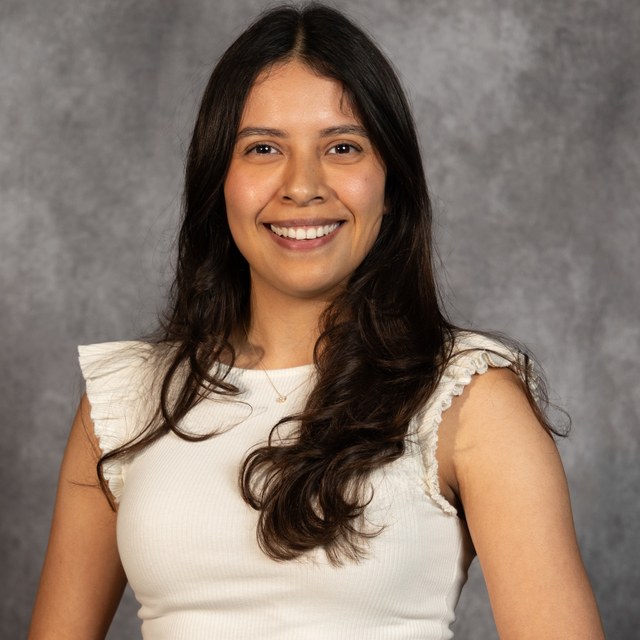
Dr. Rocio Zaragoza leads the care at Azara Dentistry, and her focus is preserving what you already have before she reaches for more involved treatment. She earned her Doctor of Dental Surgery at the UCLA School of Dentistry after a bachelor’s degree from the Georgia Institute of Technology. She sits on the board of the San Diego Academy of General Dentistry and on a committee of the San Diego Dental Society. Outside the practice, she volunteers as faculty at the UCSD Free Dental Clinic and grants wishes for Make-A-Wish. In the chair, she walks you through what she sees and recommends the least invasive option that fixes the problem.
Testimonials
FAQs
Do you accept walk-ins?
Yes, we do! We prefer appointments, but we understand life happens and you need care right away. Walk -in and we will try our best to accommodate you.
Book AppointmentWhat should I expect at my first visit?
Plan on about an hour for your first visit, and bring any questions you’ve been saving up.
We take X-rays, Dr. Zaragoza looks over your teeth and gums, and we clean your teeth unless something calls for a separate appointment. Before you leave, we walk you through what we found in everyday language and answer the questions you brought.
Is there a dentist in Pacific Beach open on Sundays?
Yes, we’re open on Sundays, so a packed workweek doesn’t have to push your care back again.
Walk-ins are welcome too. If you’d like a set time, book online through ZocDoc or call us at 858.270.6626, and we’ll find a slot that fits your weekend. Sunday visits also make it easier to bring along a family member who can’t take a weekday off.
How do I know if I need to come in urgently or if it can wait?
Come in as soon as possible if you have any of these:
- Pain that keeps you up at night
- Swelling in your face or gums
- A knocked-out or cracked tooth
- Bleeding that won’t stop
We see emergency patients and can often accommodate same-day visits. Sensitivity that comes and goes, or a tooth that feels a little off without hurting, still deserves a call, though it can usually wait a few days.
Where is your Pacific Beach office located?
You’ll find Azara Dentistry at 4501 Mission Bay Dr Ste 2E, San Diego, CA 92109.
Patients come to us from Mission Beach, Clairemont, Linda Vista, Mission Valley, and anywhere within about five miles. If you’d like to talk before making the trip, we offer telehealth visits through ZocDoc. You can describe a concern from your couch and decide whether an in-person visit is the right next step.
How does your practice handle patients who have dental anxiety?
We built our appointments around that worry, so visits here run at an unhurried pace.
We tell you what we’re about to do before we do it, and we check in as we go. You decide how much happens in one visit. Small comforts help too: we put lip balm on before we start, the chairs are comfortable, and we set up our rooms to feel calm.
What forms of payment do you accept?
We accept checks, cash, credit cards, and most insurance plans. Contact our office so a member of our team can verify your insurance or visit our Payment Options page for more information!
View Payment OptionsDo you offer no interest payment plans
Yes we do! We partnered with Cherry to provide up to 12 months no interest low monthly payments.
What services do you offer?
We are happy to offer a variety of services including:
- Dental Exams and Cleanings
- Teeth Whitening
- Invisalign
- Oral Surgery
- Periodontal Treatment
- And more!
Do you offer virtual telehealth visits?
Yes, we do! Through Zoc- Doc, you can schedule an in-person or virtual visit to have a consultation with Dr Rocio. This is very helpful for those needing antibiotics or have general questions about their dental health and/or treatment plan.